
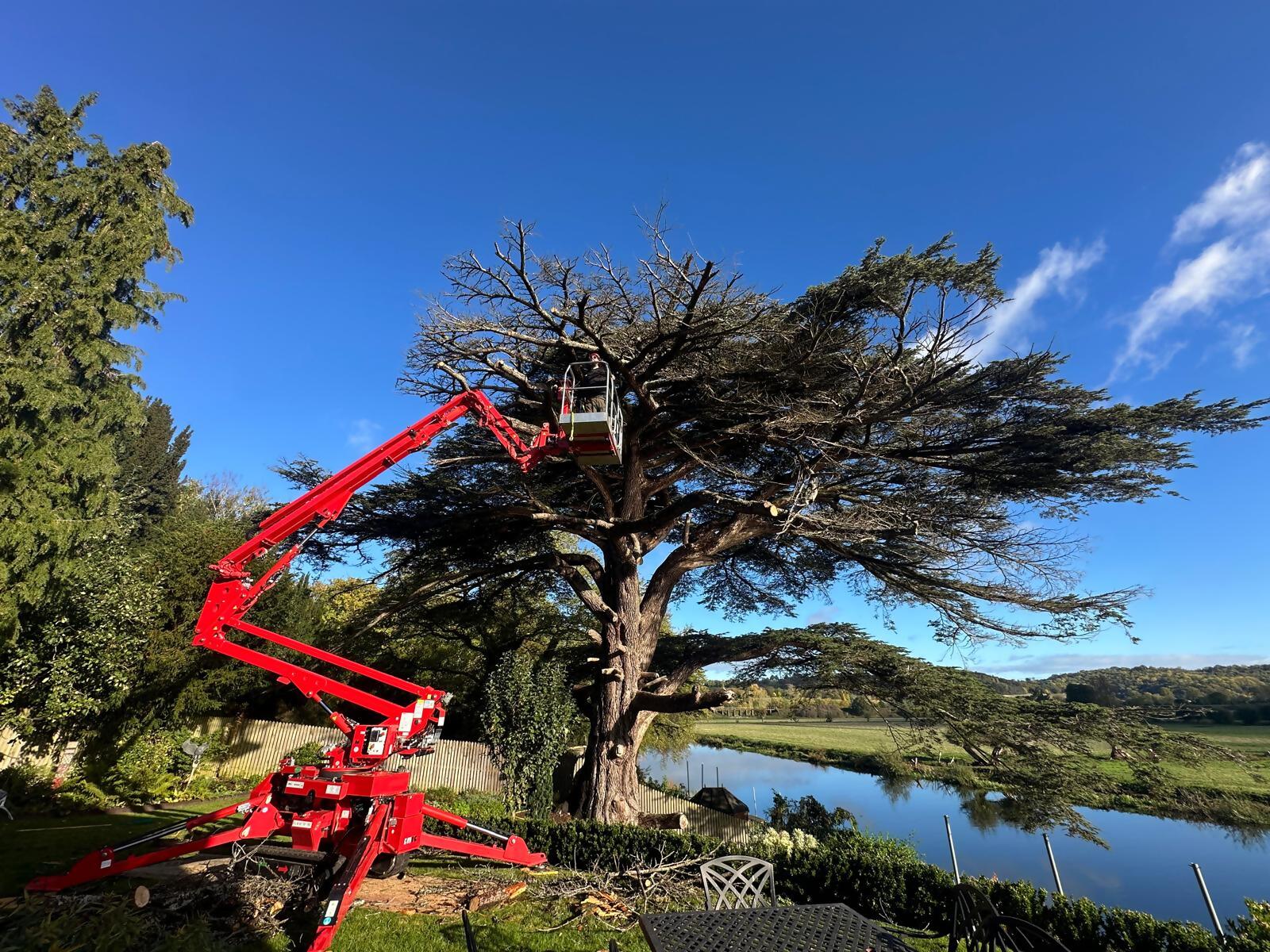
Qualified tree pruning for balanced growth in Worcester
NPTC-qualified operatives. A common 3 to 5-year reduction cycle. Seasonal advice for 4 parts of the year.
Careful reductions, thinning and deadwood removal manage size while keeping a natural, balanced tree form.
Keep the tree while managing the problem
Proportionate reductions
We reduce size and end weight without taking more growth than is suitable.
Species-led decisions
Our pruning plan reflects how the particular tree grows and responds.
Useful future guidance
We explain likely monitoring and repeat care after the current work.
Pruning for clearance, shape and tree health
Branches may be rubbing a roof, blocking useful light or carrying too much weight at their ends. We choose the method according to the problem rather than giving every tree the same haircut. Crown reduction manages overall size, thinning can improve light and airflow, and deadwood removal deals with dead branches. Formative pruning guides younger trees, while pollarding needs careful assessment. We consider species, age, condition and nearby targets before deciding how much material should come off.
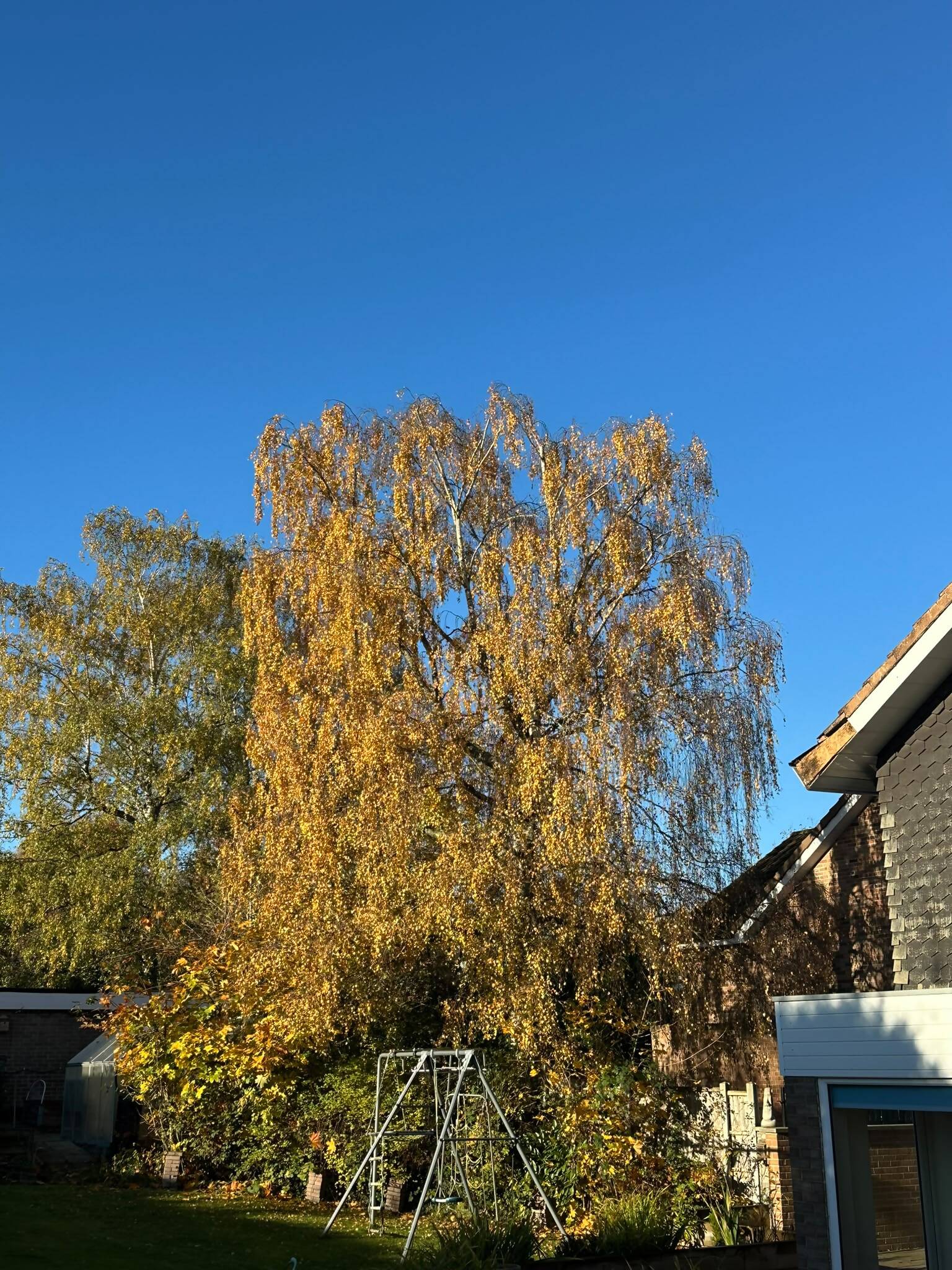
The timing matters as much as the cut
Good tree pruning keeps a useful tree while respecting its natural form. We can use spring for health checks, carry out suitable light work and monitoring in summer, and assess structure during autumn. Winter may suit larger pruning or structural work, depending on the species and condition. Reductions often lead to another management visit after three to five years, so we explain what future care is likely rather than pretending one visit will stop a tree growing.
FAQs
What is the difference between reducing and thinning a crown?
A crown reduction shortens the overall height or spread while keeping a balanced outline. Crown thinning removes selected internal growth without greatly changing the outer size. We recommend the method that matches the actual concern.
How often will a reduced tree need more work?
A reduction commonly starts a repeat management cycle of around three to five years. The exact timing depends on species, growth rate, condition and the clearance required, so we give guidance after inspecting the tree.
Can you prune trees at any time of year?
Not every technique suits every tree in every season. We consider species, health, nesting wildlife and the aim of the work. Where timing matters, we explain when the proposed pruning should be completed and why.
Discuss the right pruning approach
Call us with details of the tree and the result you need, and we'll arrange an on-site assessment.